

 See My Latest Article on HelloNation
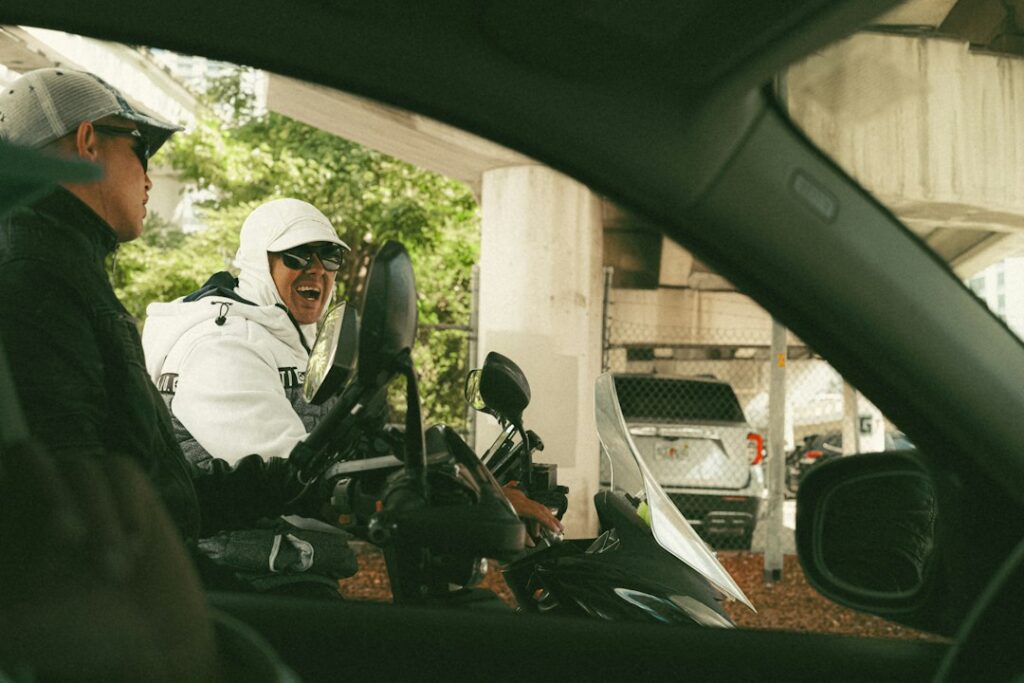
Can police search a car without a warrant?
Yes, but not simply because an officer asks or because a traffic stop occurred. Under the Fourth Amendment and the Minnesota Constitution, a warrantless vehicle search generally requires a recognized legal exception.
The most common exception is the automobile exception. Police may search a vehicle without first obtaining a warrant if they have probable cause to believe the vehicle contains evidence of a crime or illegal items. The search may extend to areas and closed containers where the suspected evidence could reasonably be found.
A routine traffic stop, by itself, does not automatically give police the right to search the passenger compartment, trunk, glove box, or containers inside the vehicle.
What is probable cause?
Probable cause means more than a hunch or vague suspicion. It requires specific facts and circumstances that would lead a reasonable officer to believe evidence of a crime or contraband is present.
Examples might include:
- Seeing illegal items in plain view
- Detecting an odor associated with illegal activity, when the law allows that fact to be used
- Information from a reliable witness or investigation
- Statements made by a driver or passenger
- Physical evidence connecting the vehicle to a reported crime
- Conduct or circumstances that, viewed together, support a reasonable belief that evidence is inside
Whether probable cause existed is often decided later by a judge. The question is not simply what the officer believed, but whether the facts objectively justified the search.
Does a traffic violation allow a vehicle search?
Usually, no. An officer may stop a vehicle for a suspected traffic violation, such as speeding, defective equipment, or an expired registration issue. The officer may also take reasonable safety steps during the stop.
That authority is different from the authority to search for evidence. A traffic stop cannot be extended indefinitely without a lawful reason. Once the traffic-related purpose of the stop is complete, additional detention generally requires reasonable suspicion of another offense or a valid legal basis.
An officer may ask for consent to search. A driver has the right to refuse consent, although refusing does not prevent a search supported by another exception. A calm statement such as, “I do not consent to any searches,” preserves the issue without physically resisting.
Can police search a car after an arrest?
Sometimes, but an arrest does not automatically authorize a full search of the vehicle.
Under the search-incident-to-arrest rules, police may be able to search the passenger compartment if the arrested person could access the vehicle at the time of the search or if it is reasonable to believe the vehicle contains evidence of the offense for which the person was arrested.
A search incident to arrest is different from the automobile exception. Police may also search under the automobile exception if probable cause exists, even when the driver or passenger has been secured and cannot reach the vehicle.
The reason for the arrest matters. An arrest for an offense unrelated to evidence likely to be found in the car may not justify an extensive evidentiary search under the search-incident-to-arrest exception.
What does the automobile exception allow?
The automobile exception can permit a search of the entire vehicle, including closed containers, if officers have probable cause to believe the vehicle contains the evidence they are looking for.
The scope still matters. For example, if officers have probable cause to search for a large item that could not fit inside a small container, searching that container may exceed the lawful scope. If the suspected evidence could fit inside the container, the container may be searchable.
The vehicle does not necessarily have to be moving. Minnesota courts have recognized that the exception can apply to parked or impounded vehicles when probable cause exists. The central issue is whether the search was supported by probable cause and stayed within its lawful scope.
Is the smell of cannabis enough to search a vehicle in Minnesota?
No. Minnesota law provides that the odor of cannabis alone cannot serve as the sole basis for searching a motor vehicle, the driver, passengers, or the vehicle’s contents.
That does not mean the odor can never be relevant. Officers may consider other facts along with the odor, such as visible evidence, admissions, suspected impaired driving, or circumstances suggesting that a separate crime is occurring. The legality of the search depends on the total circumstances and the specific reason for the search.
This distinction can be especially relevant during warm-weather traffic stops, when windows are open, and during winter stops when officers may claim to observe items after opening doors or looking through windows. Visibility from outside the vehicle and the legal basis for entering the vehicle remain separate questions.
What other exceptions can justify a search?
Several exceptions may apply depending on the circumstances:
Consent

A driver or another person with lawful authority may voluntarily consent to a search. Consent must be voluntary and may be limited. A person can state that consent is not given or clarify that consent is limited to a particular area.
Plain view
Police may seize an item without a warrant when they are lawfully present, the item’s incriminating nature is immediately apparent, and they have lawful access to it. Seeing an item does not always authorize a broader search of the vehicle.
Inventory search
If a vehicle is lawfully impounded, police may conduct an inventory under standardized procedures. An inventory search is intended to document property, protect the vehicle and its contents, and address safety concerns. It cannot lawfully be used as a pretext for an investigative search.
Protective search
If officers reasonably believe a person inside the vehicle may access a weapon and pose a danger, they may be able to conduct a limited protective search of areas where a weapon could be hidden. This authority is narrower than a general search for evidence.
Emergency circumstances
An urgent situation may justify action without a warrant, such as a need to prevent imminent harm or destruction of critical evidence. The emergency must be genuine, and the search must be reasonable in scope.
What should a driver do during a disputed search?
Do not physically interfere with officers or attempt to hide or destroy anything. State clearly that consent is not given, comply with lawful commands, and avoid arguing about constitutional law during the roadside encounter.
Useful statements include:
- “I do not consent to a search.”
- “Am I free to leave?”
- “I want to remain silent.”
- “I want to speak with an attorney.”
A driver should not guess, volunteer explanations, or agree to a search merely because an officer suggests that refusal will look suspicious. The right to refuse consent is not the same as the right to obstruct an officer.
After the encounter, write down what happened while the details are fresh. Important facts may include the reason given for the stop, when the vehicle was searched, whether consent was requested, what was said, where officers looked, and whether any containers were opened.
What happens if the search was unlawful?
If evidence was obtained through an unconstitutional search, a court may suppress it, meaning prosecutors may be prohibited from using it in the criminal case. Suppression is not automatic. The court may examine the officer’s stated justification, the timing and scope of the search, whether consent was voluntary, and whether another legal doctrine affects the evidence.
Search issues are often fact-specific. Dash-camera footage, body-camera recordings, reports, witness accounts, and the exact sequence of events can all matter. A warrantless search does not automatically make a case invalid, but it does create a constitutional question that may affect whether evidence can be admitted.